Movement, Interaction, resilience, Adaptation (MIRA): The complex role of the Central Balkans in the people of Europe in the Pleistocene (SSHRC PG)
Research Team
Dusan Mihailovic, PhD
Christopher Miller, PhD, Steven Kuhn, PhD
Cosimo Posth, PhD, Johannes Krause, PhD, Susan Mentzer, PhD, Norbert Mercier, PhD, Katarina Bogicevic, PhD, William Buhay, PhD, Yadira Chinique de Armas, PhD, Vesna Dimitrijevic, PhD, Drazenko Nenadic, PhD, Frido Welker, PhD, José Carrion, PhD, Slobodan Markovic, PhD, Mark Jan Sier, PhD, Mary Clare Stiner, PhD, Julio Mercader, PhD, Bojana Mihailovic, Mailys Richard, PhD
Partner Organizations
- Faculty of Philosophy, University of Belgrade
- The National Museum of Serbia
- Institute for Archaeological Sciences, Eberhard Karls University of Tübingen
- Max Planck Institute for Evolutionary Anthropology Citizens’ council of the village of Sicevo
Movement, Interaction, resilience, Adaptation (MIRA): The complex role of the Central Balkans in the people of Europe in the Pleistocene (SSHRC PG)
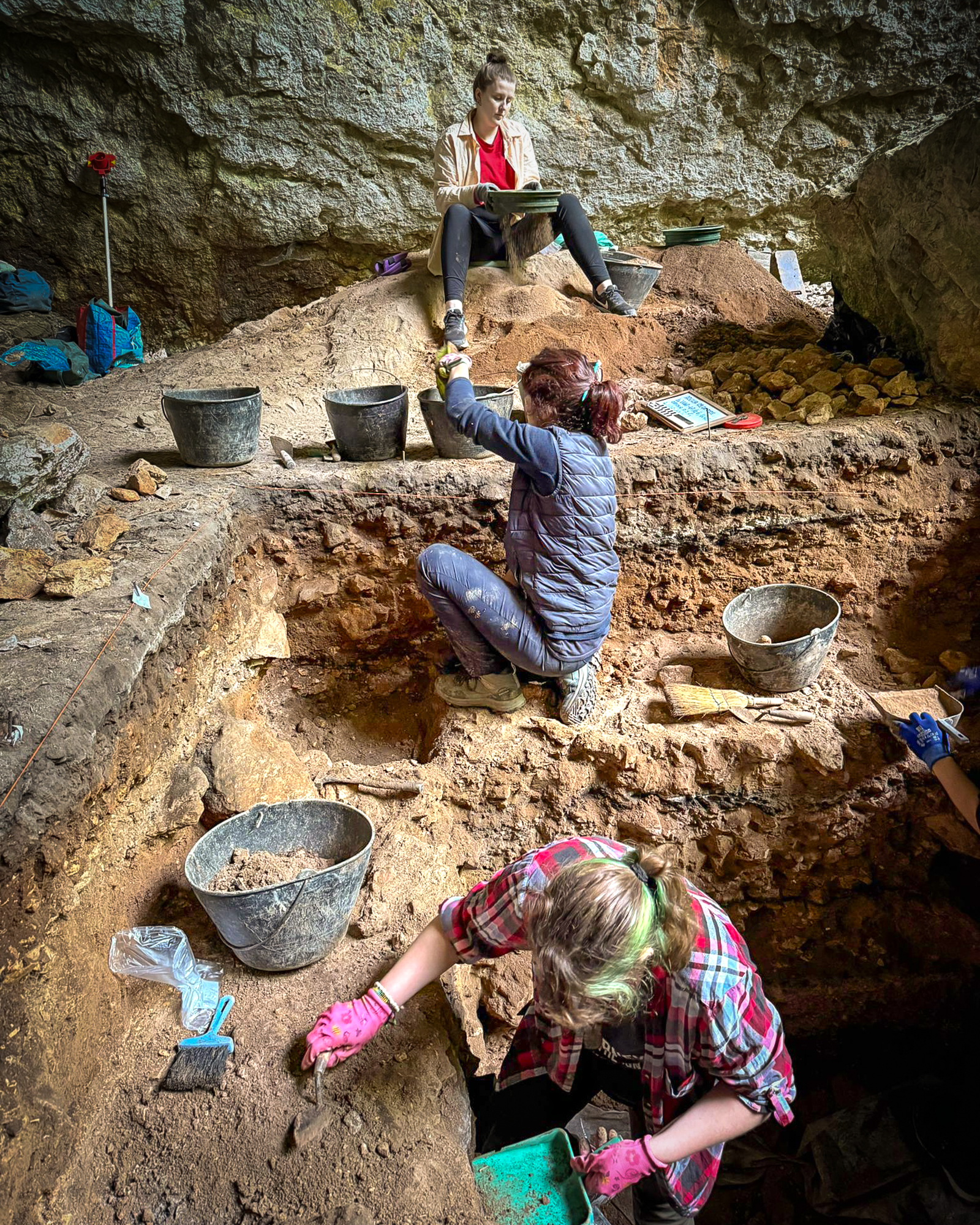
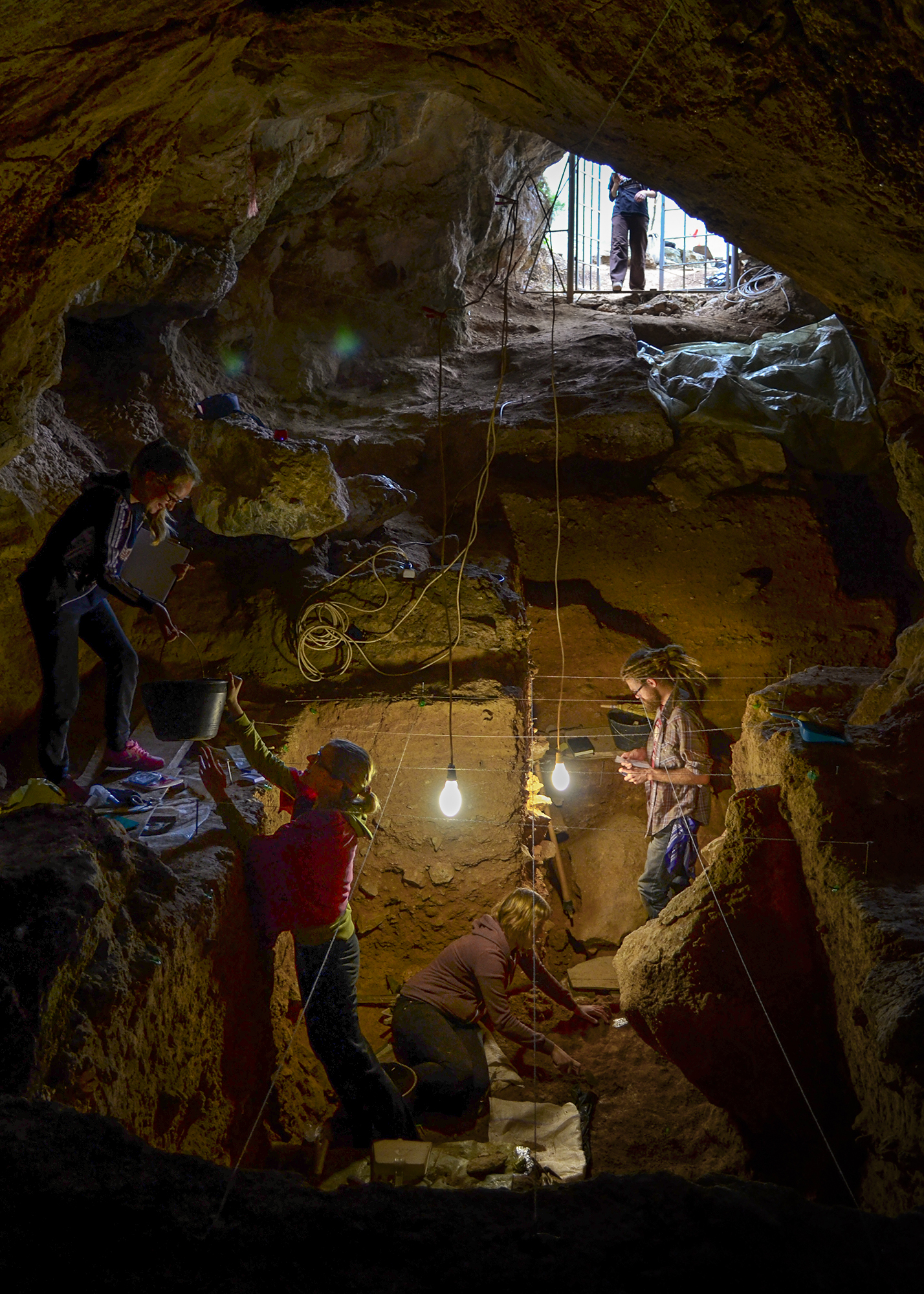
The Balkan Peninsula, an important crossroads between Africa, Asia, and Europe and a hotspot of biodiversity during warm interglacial periods, served as a refugium for hominins (modern humans and extinct human species) during cold glacial periods. These complementary roles make this the key region to resolving several major questions about the evolution and migrations of ancient humans during the Pleistocene. Recent surveys and excavations of Palaeolithic sites in Serbia have demonstrated the exciting potential of the region; however, the Palaeolithic of the Balkans remains understudied. The MIRA project integrates archaeological, palaeoanthropological, chronological, biogeographic, and palaeoenvironmental data with heritage preservation, curation, and dissemination to reconstruct the movement of human ancestors through the Balkans and the interactions of different lineages within the geographic nexus. These finds will donate to the understanding of the necessary cultural and biological adaptations that allowed for African hominin migration into temperate Europe and contributed to the resilience of human lineages to climate fluctuations at the shifting contact between Mediterranean and Continental climates in the Central Balkans. Excavations are currently ongoing at several sites throughout southern, eastern, and western Serbia with expansion into Bosnia and Herzegovina in 2025.
Forthcoming | Carrión J, Amorós S, Ochando J, Magri D, Belen Marín-Arroyo A, Sánchez-Giner MV, Amorós A, Munuera M, Di Rita, Michelangeli F, Roksandic M, Mihailović D. (in press) Welcome to the Forest Theatre: Unveiling a Balkan Refugium through Paleoart. Quaternary Science Reviews. |
2024 | Ochando J, Carrión JS., Magri D, Marín-Arroyo AB, Di Rita F, Munuera M, Michelangeli F, Amorós G, Milošević S, Bogićević K, Dimitrijević V, Nenadić D, Roksandic M, Mihailović D. (2024) Balkan Neanderthals: The Late Pleistocene palaeoecological sequence of Pešturina Cave (Niš, Serbia). Quaternary Science Reviews 330, 108600. https://doi.org/10.1016/j.quascirev.2024.108600
|
2023 | Olalde I, et al. (2023) A genetic history of the Balkans from Roman frontier to Slavic migrations. Cell 186(25), 5472–5485. https://doi.org/10.1016/j.cell.2023.10.018
|
2022 | Mihailović D, et al. (2022) Connections between the Levant and the Balkans in the late Middle Pleistocene: Archaeological Findings from Velika and Mala Balanica Caves (Serbia). Journal of Human Evolution 163, 103138. https://doi.org/10.1016/j.jhevol.2021.103138
Mihailović D, et al. (2022) Neanderthal Settlement of the Central Balkans during MIS 5: Evidence from Pešturina Cave, Serbia. Quaternary International 610, 1–19. https://doi.org/10.1016/j.quaint.2021.09.003 |