About
ABOUT US
Committed to Scientific Excellence
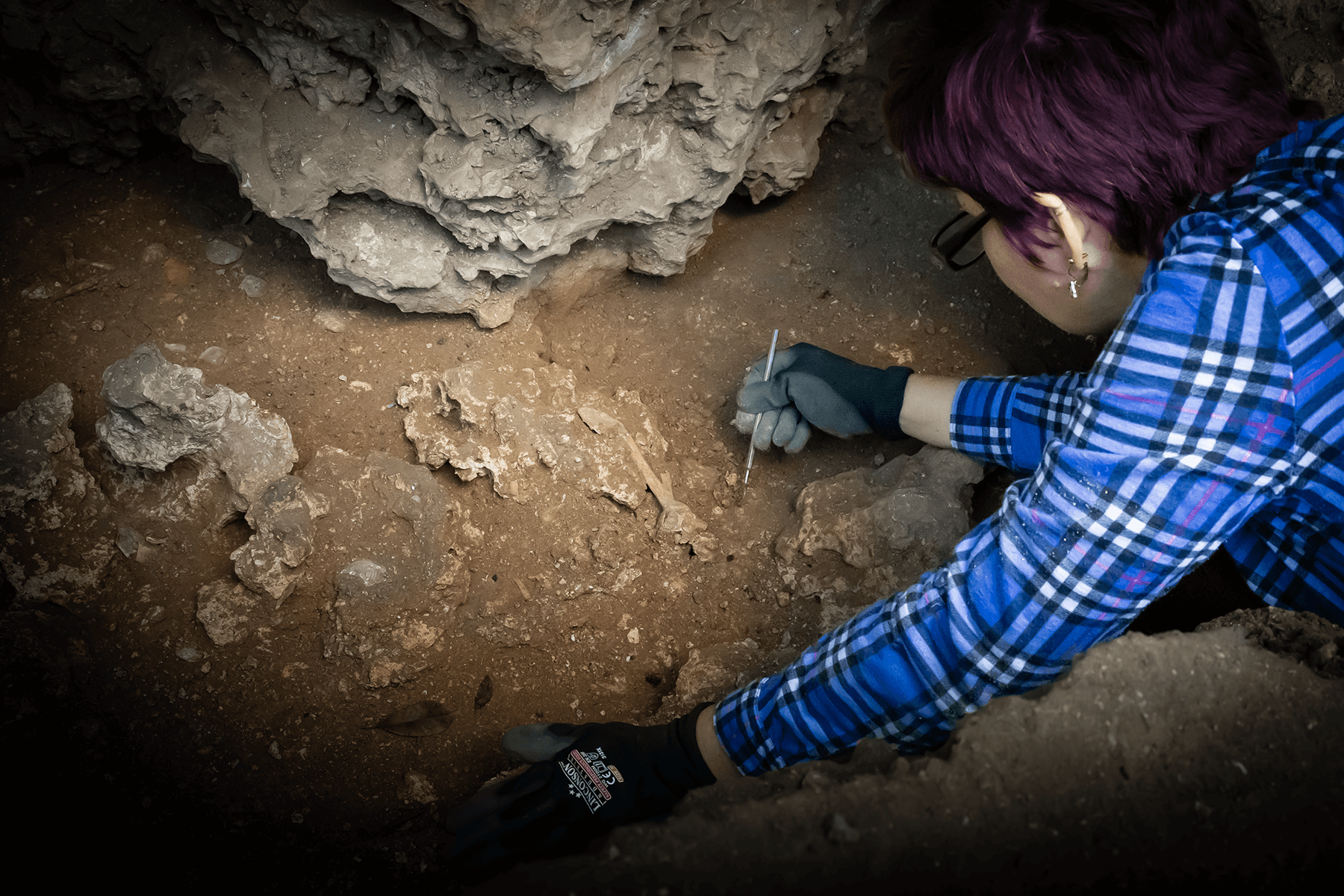
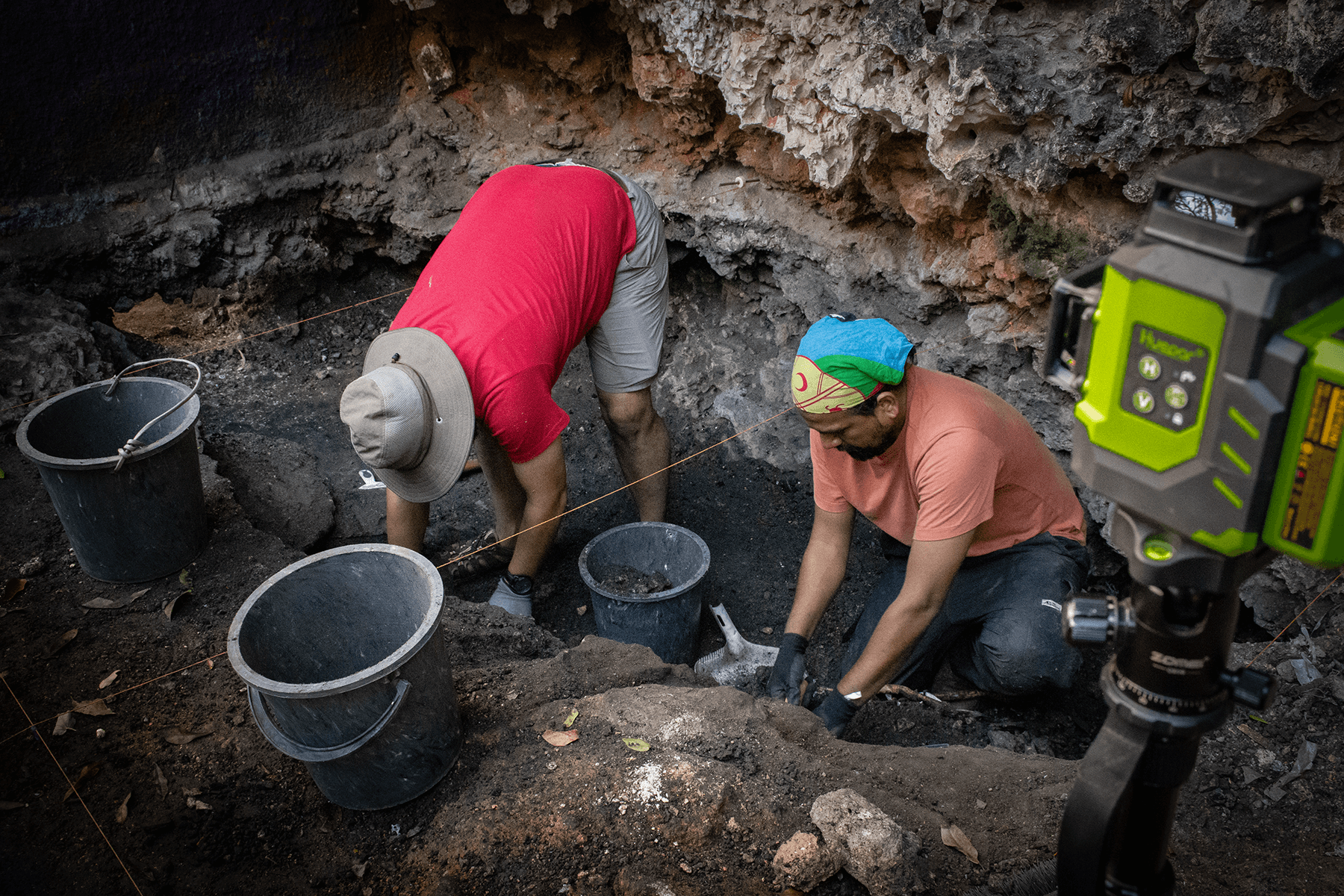
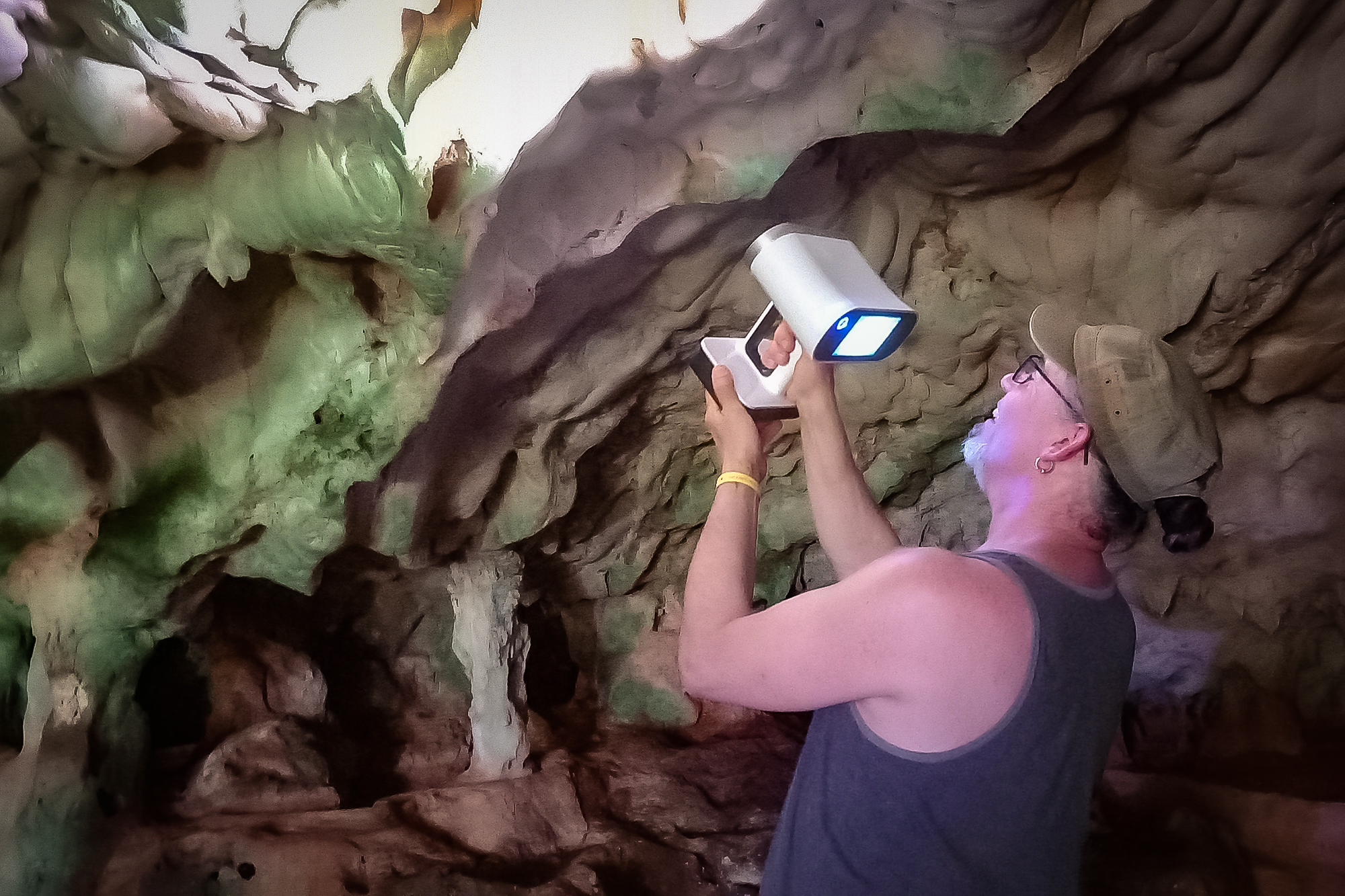
MIRA-HOPE team combines the use of optical microscopy and high-definition sampling techniques to: 1) significantly increase the resolution with which we can detect and characterize lifetime events in bones and dental tissues, 2) explore the potential of different stable isotope systems as markers of dietary practices, geographic origins and changes in climatic variables, and 3) enable the full morphological and biochemical characterization of microbotanicals to improve taxonomic identification. In addition, we develop 3D models of excavations, artifacts and human remains for paleoanthropological, archaeological and bioarchaeological studies. Innovative cross-fertilization of these different lines of evidence, and their application in examining human–environment interactions, represents the most important contribution of the team to the field of bioanthropology.
- Continuous Innovation
- Scientific Collaboration
- Precision and Reliability









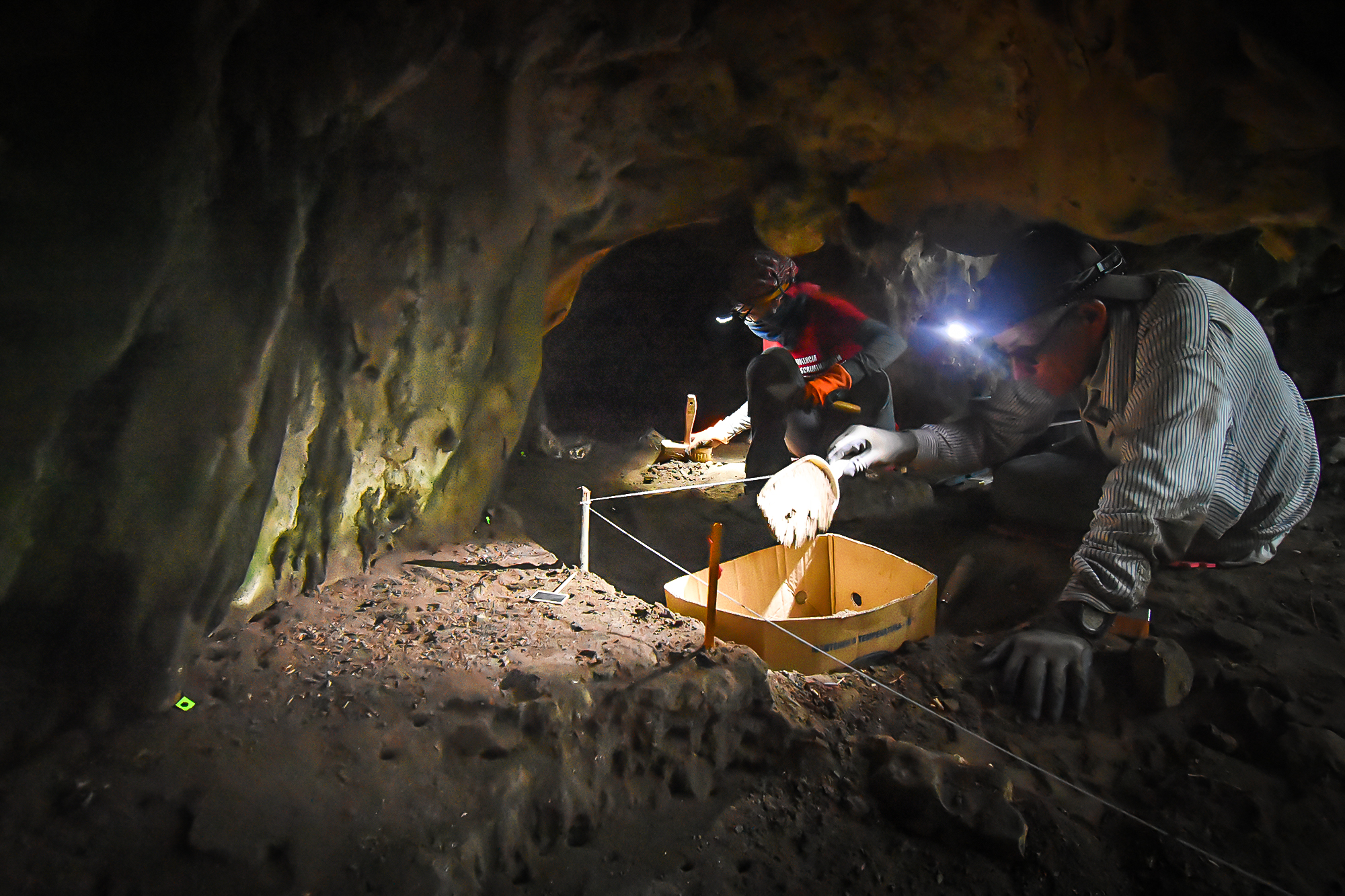
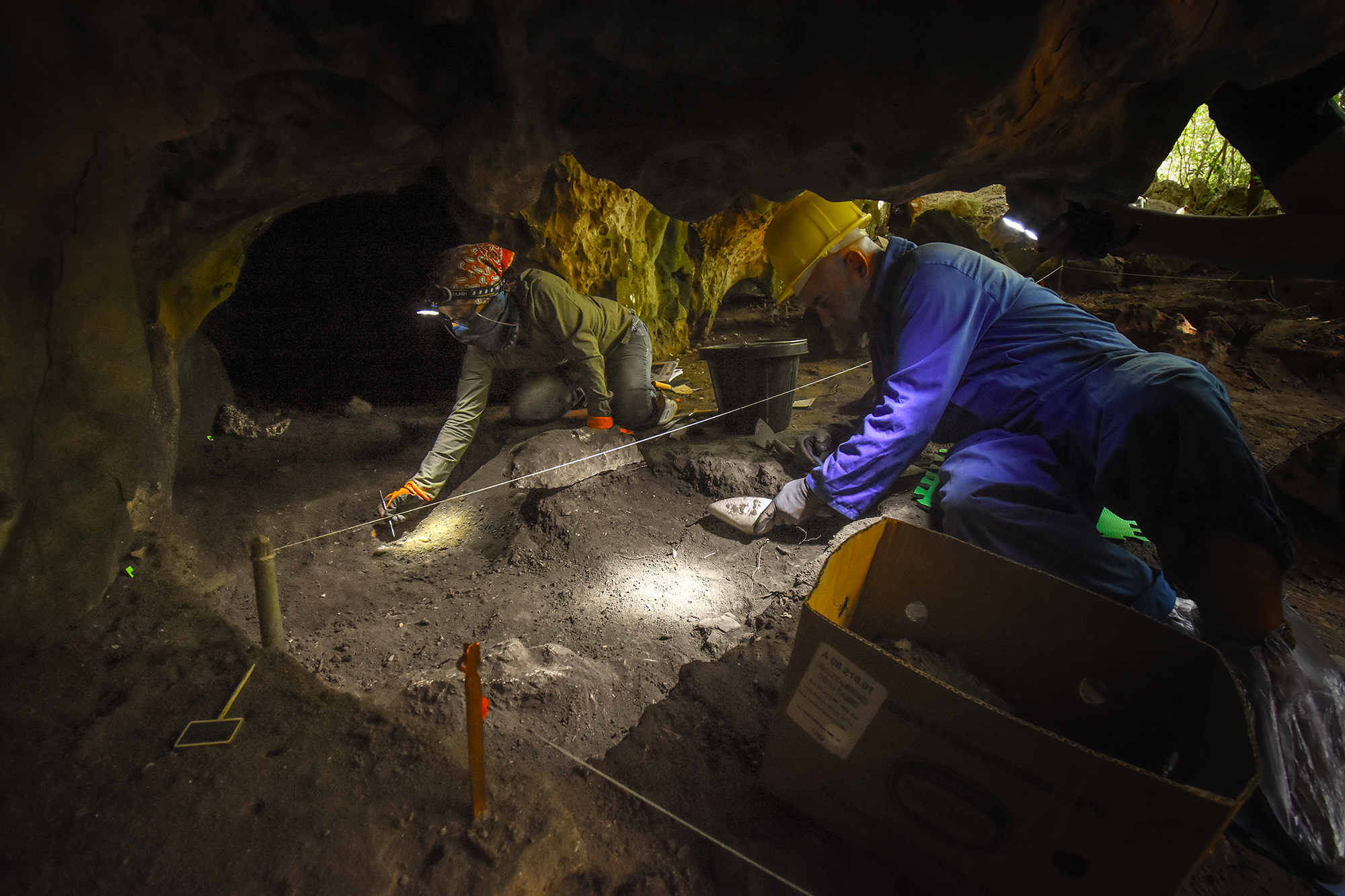


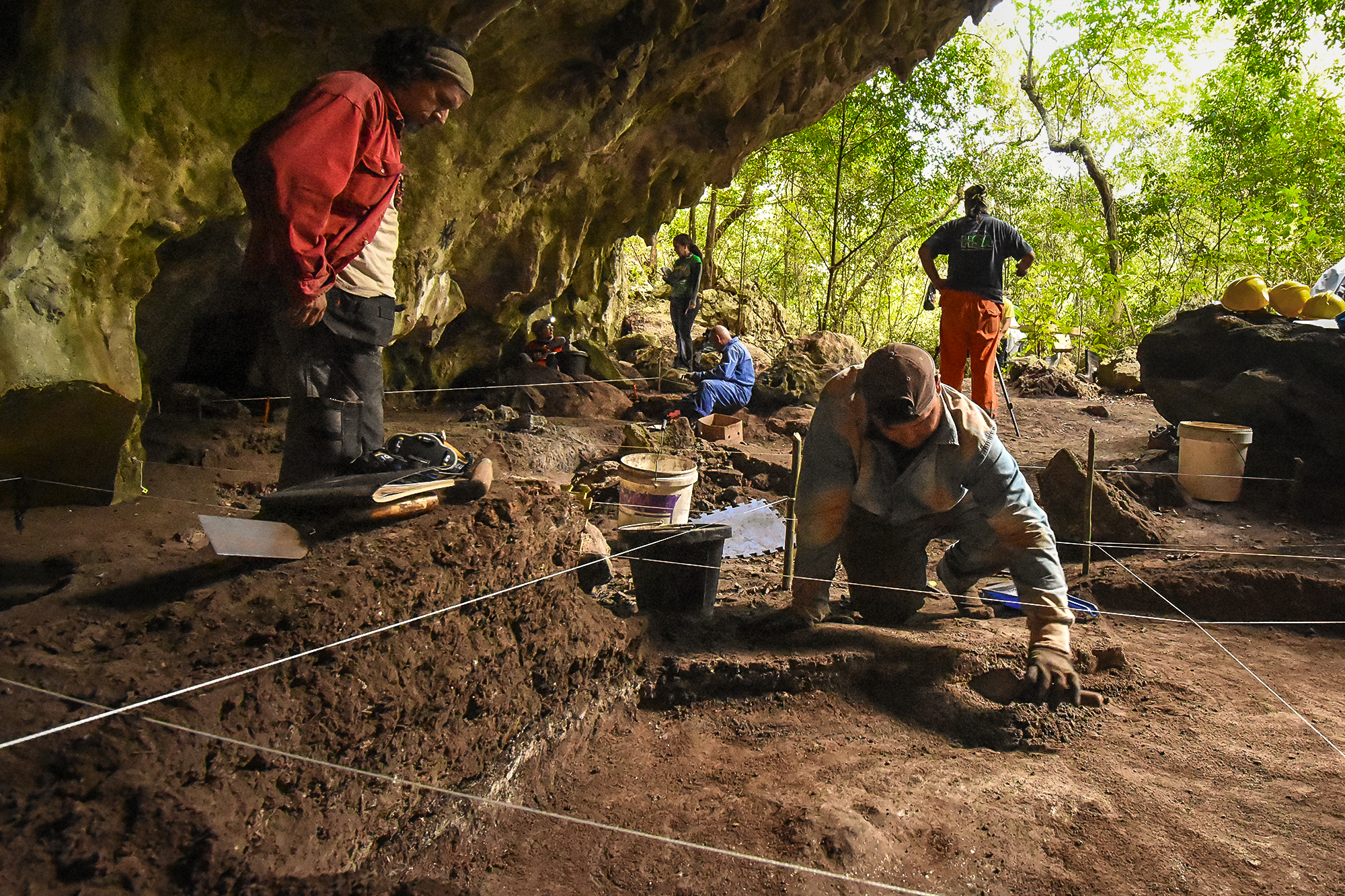


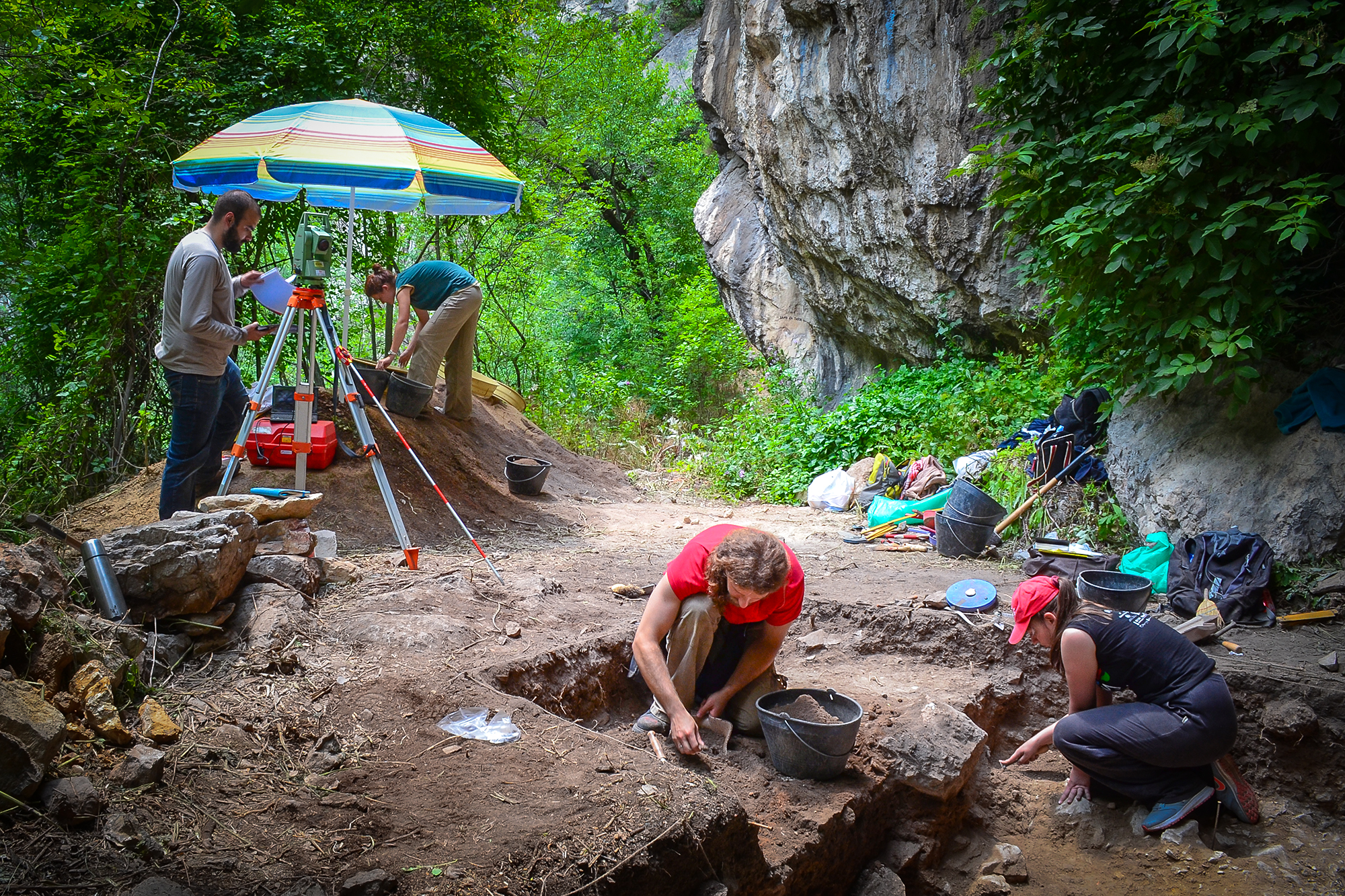









The palaeoanthropology research focus
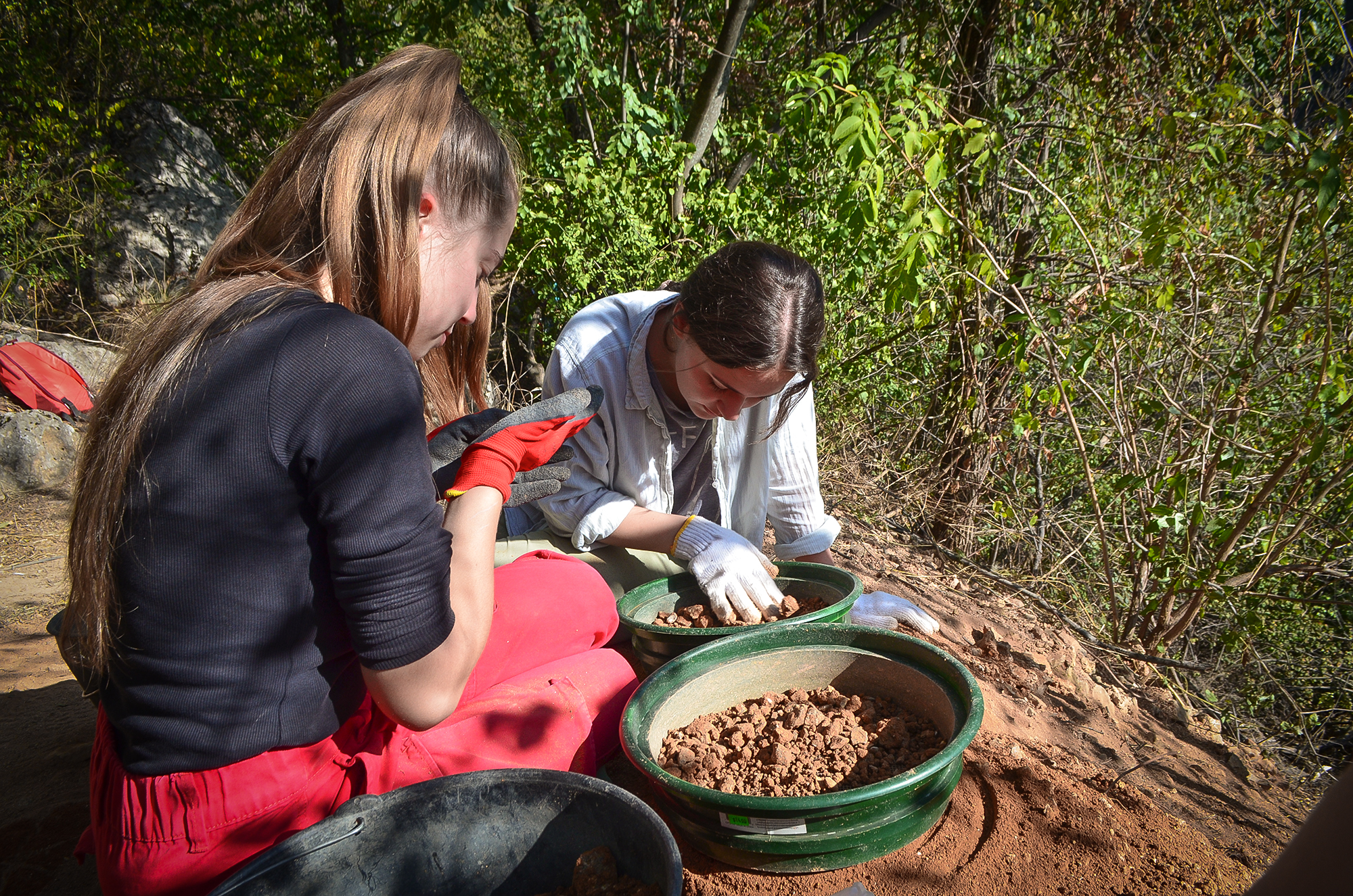
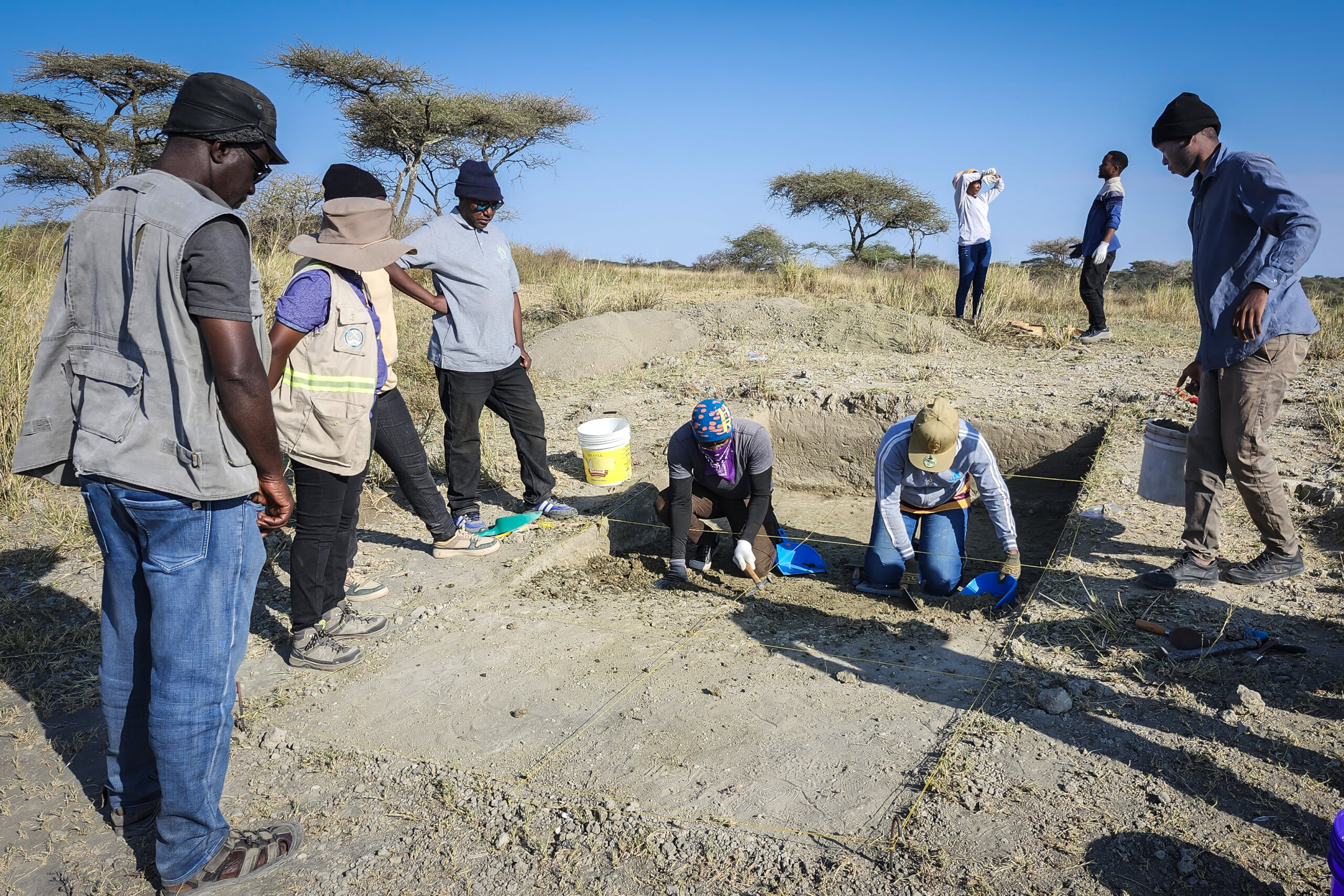
Program focuses on Early and Middle Pleistocene hominins from the Central Balkans and from East Africa. The movements and interactions in the Balkans are examined through the “At the Crossroads of Europe and Asia: Human Evolution in the Central Balkans” project funded through a SSHRC Partnership Grant. Situated at the crossroads of three major overland communications between Europe and Asia (and connected through the Levant with Africa), the Central Balkans is critical to our understanding of questions ranging from the identity of the first hominins that inhabited Europe, the spread of Neanderthals into Central Asia, and the impact that the migration of modern humans had on local Neanderthal populations. In East Africa, the Partnership development grant supports research in Tanzania through the Across Landscapes and Continents: Large scale Movements of Hominins and Fauna during the Middle Pleistocene project which aims to reevaluate humans and animals in the region during the critical period in the evolution of humans.
The bioarchaeology research focus
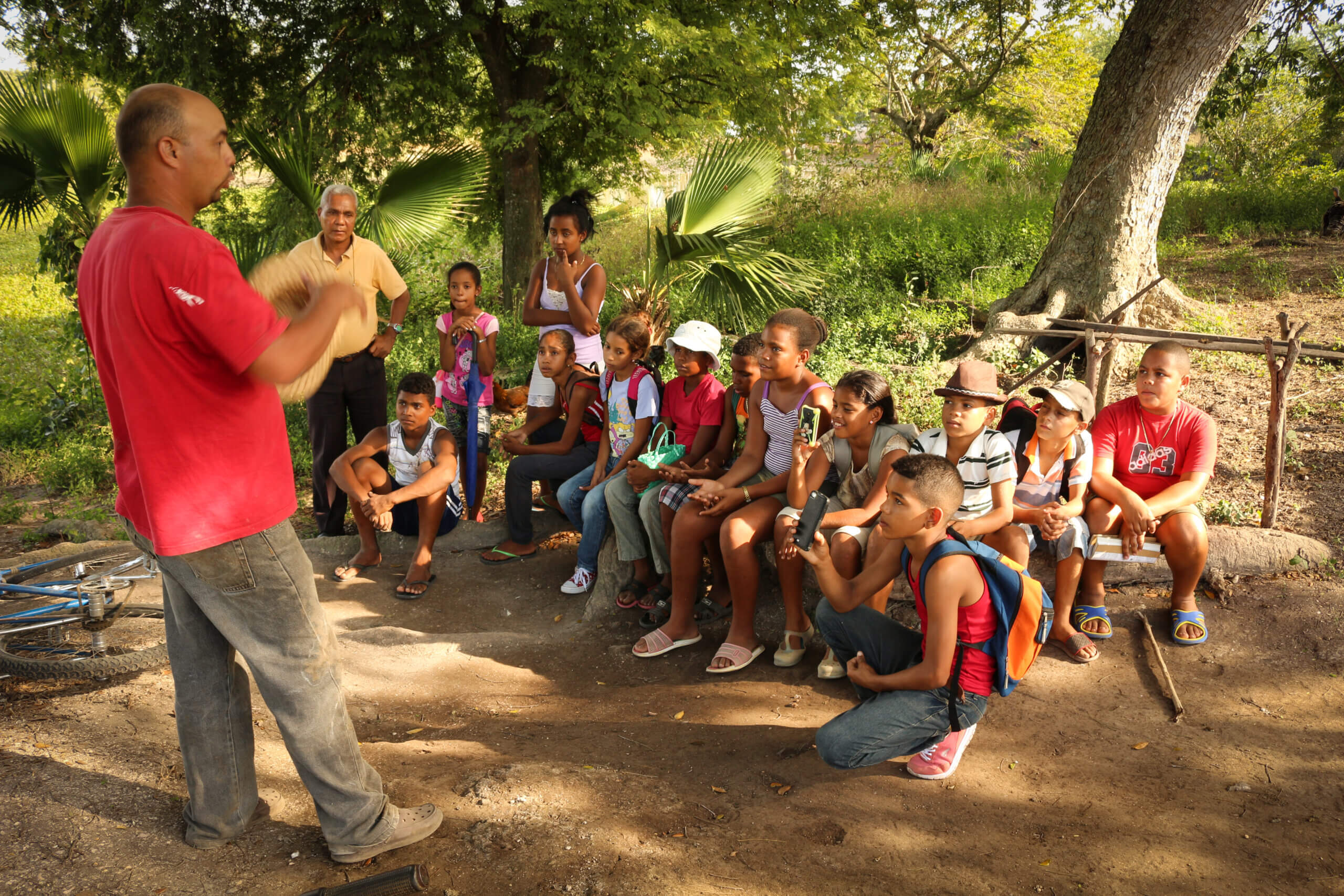
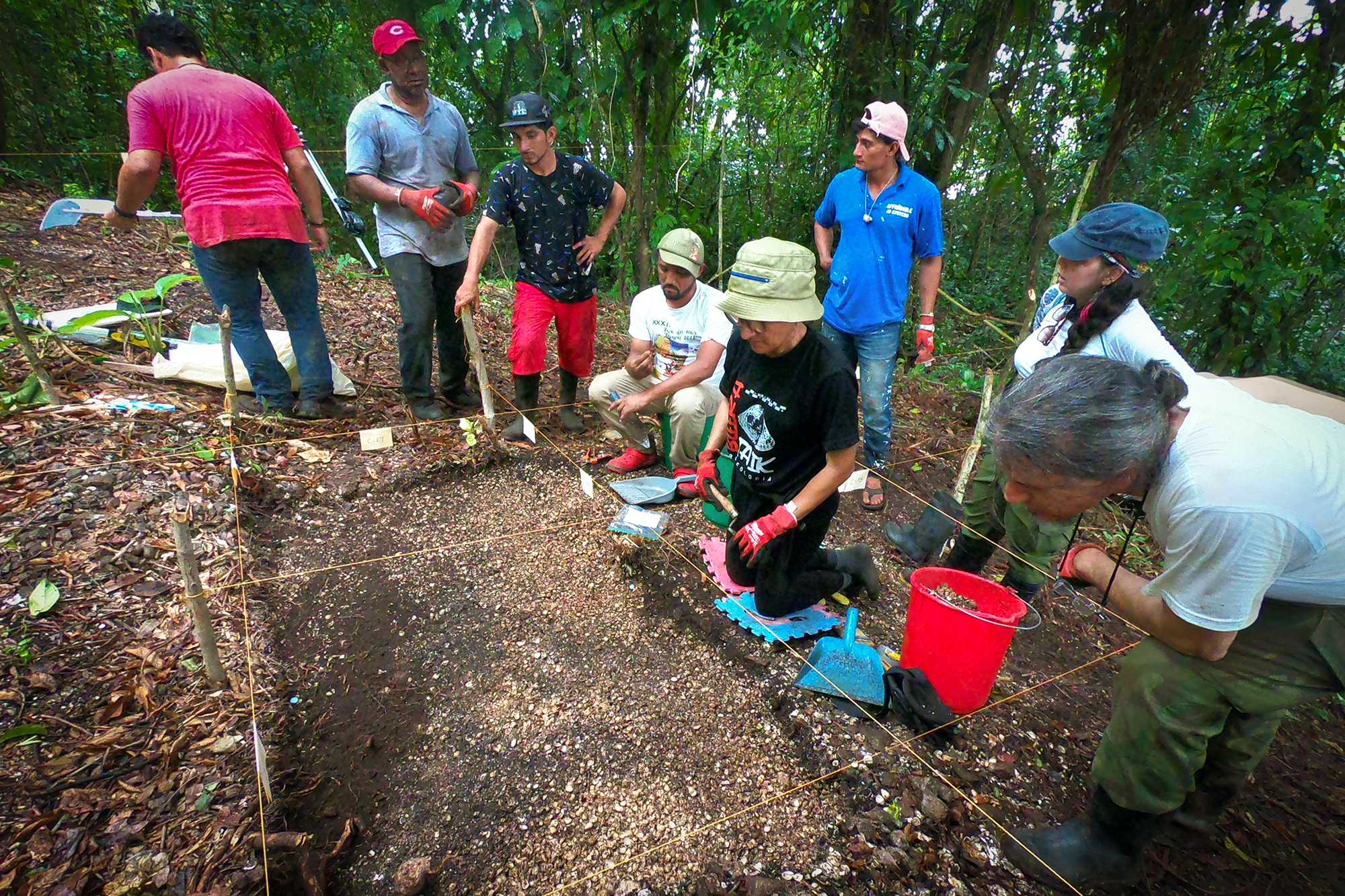
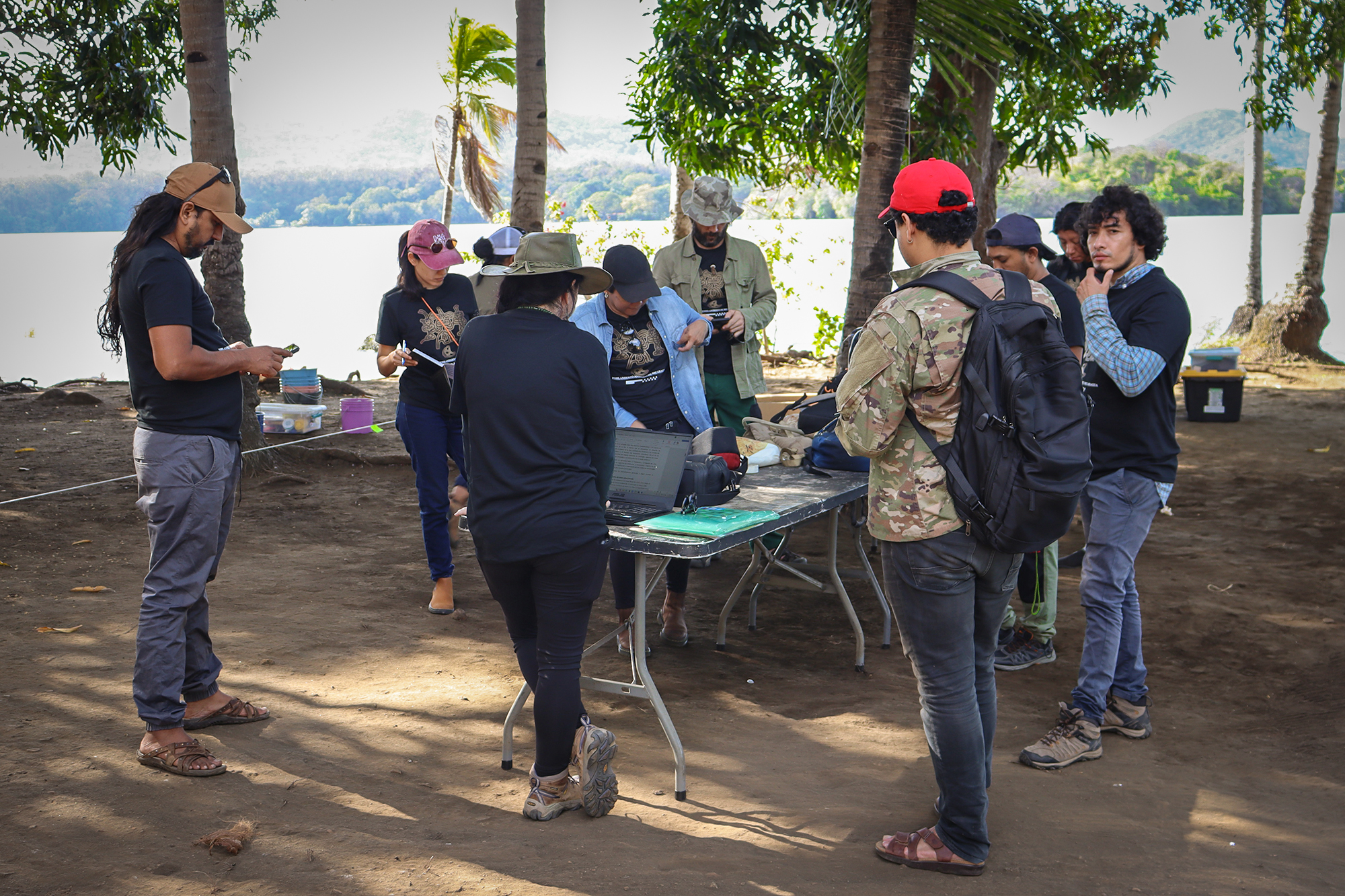
is centred on the program of research on the circum-Caribbean population’s cultural and biological identity. Our research projects aim to reconstruct the population history of the Caribbean and Center America on a large scale using integrated archaeological, genetic, linguistic and historical data, examine possible routes of the early peopling of the Greater Antilles, and establish the earliest date for human forays into Cuba and the Caribbean. Early human presence in the circum-Caribbean has larger implications for understanding the pathways of migration into the Americas, especially as it concerns coastal routes and sea-faring populations. Because of its unique biogeographic position, the peopling of the Caribbean can provide insights into why small-scale societies embark on long-distance maritime migrations into unknown areas, and what connections remain between those who leave and those who stay in the ancestral land. The project includes a large international group of collaborators from several Canadian universities and three institutions from Cuba, as well as institutions from Germany, Nicaragua and Jamaica. Our team aims to examine not only the origin and migration patterns, but also the timing of life-history events and metabolic health, of biologically and culturally diverse populations that were present in pre-colonial Cuba, the Circum-Caribbean and Center America.
MIRA-HOPE team integrates different lines of evidence to maximize the ability to reconstruct the long- and short-term human responses to environmental stress in high resolution. The combination of methods, techniques and access to invaluable and rare fossil and archaeological material through established collaborations improve our understanding of how individual human decisions in the past shaped the world we live in, and how it could affect the future.
State-of-the-Art Technology from Leading Brands